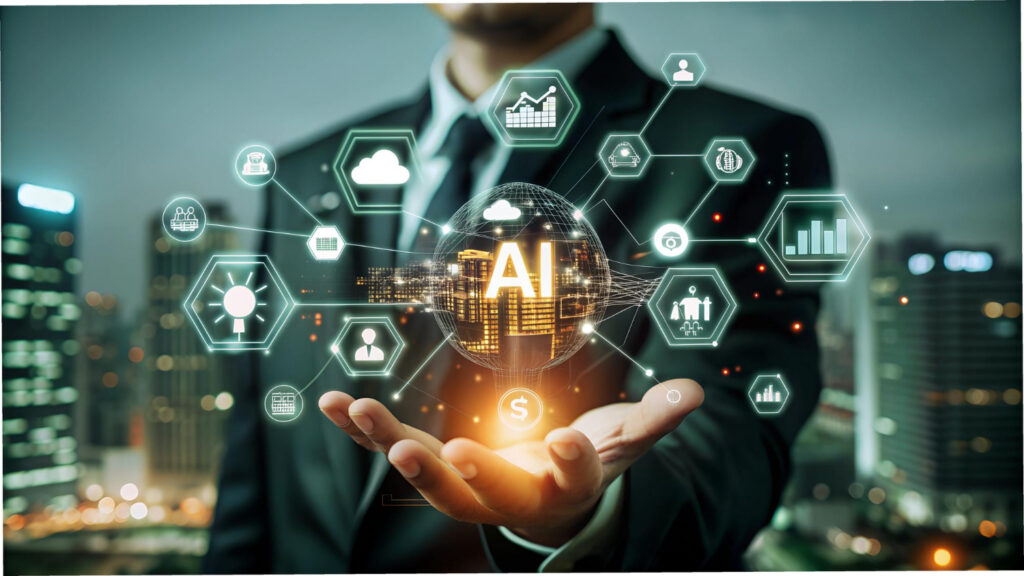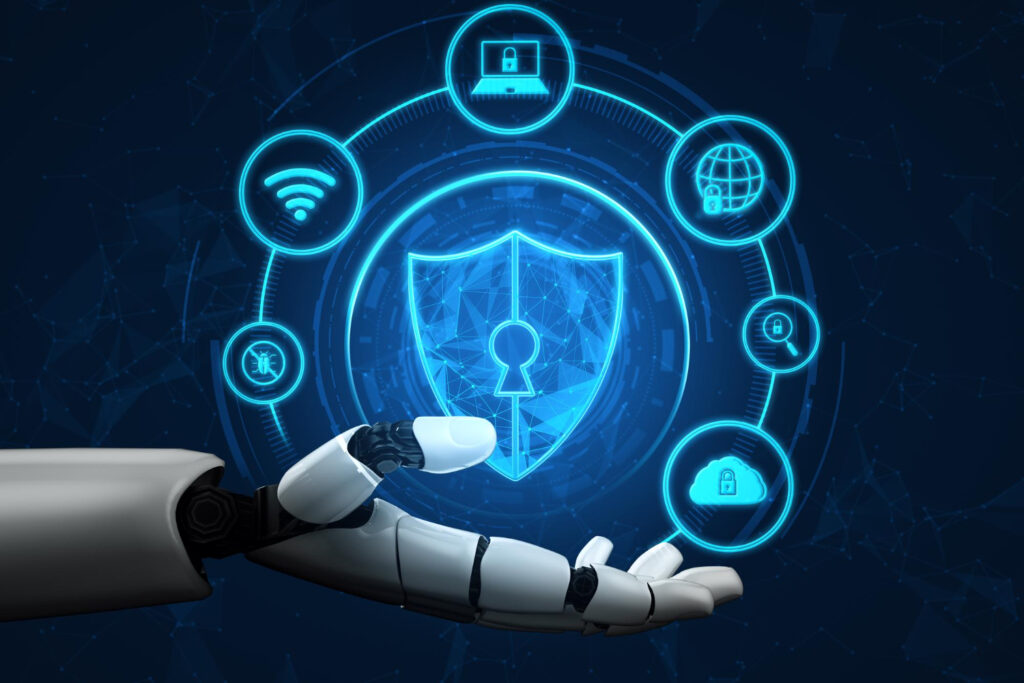
Artificial Intelligence (AI) has moved from experimental innovation to a core pillar of enterprise strategy. Organizations across industries are leveraging AI to automate operations, enhance customer experiences, and drive smarter decision-making. However, as AI adoption accelerates, it is also creating a new and complex cybersecurity challenge—an expanded and dynamic attack surface.
In 2026, enterprise security is no longer limited to protecting networks and endpoints. It now involves securing AI models, data pipelines, APIs, and autonomous systems. For IT service providers and enterprises alike, understanding and managing this new attack surface is critical for sustaining growth and innovation.
The Evolution of the Enterprise Attack Surface
Traditionally, the attack surface consisted of endpoints, servers, networks, and applications. Security teams focused on protecting these fixed components using firewalls, antivirus solutions, and access controls.
Today, the landscape has fundamentally changed. With AI integration, enterprises now operate in highly interconnected ecosystems where systems continuously exchange data and make decisions in real time. AI introduces new components such as machine learning models, training datasets, prompt interfaces, and intelligent agents. Each of these elements becomes a potential entry point for attackers.
Unlike traditional systems, AI environments are adaptive and constantly evolving, making them significantly more difficult to monitor and secure.
How AI Is Expanding Security Risks
AI systems are designed to interact—with users, data, applications, and even other AI systems. This level of interaction increases exposure and creates new vulnerabilities.
One of the most significant changes is that attackers no longer need to breach infrastructure to cause damage. Instead, they can manipulate AI systems through inputs and data. By exploiting how AI models interpret information, attackers can influence outcomes without triggering traditional security alerts.
Additionally, AI systems often rely on third-party integrations, APIs, and external data sources. While these connections enhance functionality, they also introduce multiple trust boundaries that can be exploited if not properly secured.
Data as a Critical Vulnerability
In AI-driven environments, data is not just an asset—it is a core component of system behavior. AI models learn from data and continuously refine their outputs based on it. This dependency makes data a prime target for attackers.
Data poisoning is one of the most concerning threats, where malicious data is introduced into training datasets to manipulate model behavior. Similarly, prompt injection attacks involve crafting inputs that trick AI systems into producing unintended or harmful outputs.
These types of attacks are particularly dangerous because they do not require direct system access. Instead, they exploit the logic of the AI itself, making them harder to detect and prevent.
The Rise of Autonomous AI Systems
Enterprises are increasingly deploying autonomous AI systems capable of executing tasks, making decisions, and interacting with multiple applications. These systems improve efficiency and reduce manual effort, but they also introduce new risks.
Autonomous AI often operates with high-level permissions, allowing it to access sensitive data and perform critical actions. If compromised, such systems can behave like insider threats—executing unauthorized actions, exposing data, and disrupting operations.
The ability of AI systems to act independently and at scale amplifies the potential impact of any security breach, making it essential to monitor and control their behavior.
Shadow AI and Governance Challenges
Another emerging challenge is the rise of Shadow AI—unauthorized use of AI tools by employees outside official IT governance frameworks. With easy access to public AI platforms, employees may unknowingly expose sensitive business data.
This lack of visibility creates significant risks for organizations, including data leakage, compliance violations, and unmonitored vulnerabilities. Without proper governance, Shadow AI becomes a hidden attack surface that can be exploited without detection.
Organizations must establish clear policies and monitoring mechanisms to manage how AI tools are used across the enterprise.
AI as a Weapon for Cybercriminals
AI is not only transforming enterprise operations—it is also empowering cyber attackers. Malicious actors are using AI to automate and scale their attacks, making them faster and more sophisticated.
AI can be used to generate convincing phishing emails, identify system vulnerabilities, and create malicious code. This reduces the skill barrier required to launch advanced cyberattacks, enabling even less experienced attackers to cause significant damage.
As a result, the speed and complexity of cyber threats are increasing, challenging traditional security response mechanisms.
Why Traditional Security Models Are Insufficient
Conventional cybersecurity approaches rely on predefined rules, known threat signatures, and perimeter-based defenses. While effective for traditional environments, these methods fall short in AI-driven ecosystems.
AI systems require dynamic and adaptive security measures that can respond to real-time changes. Static defenses cannot detect subtle manipulations in AI behavior or identify anomalies in decision-making processes.
This shift highlights the need for organizations to adopt AI-native security strategies that integrate protection directly into AI systems and workflows.
Building an AI-Native Security Strategy
To secure the modern attack surface, enterprises must rethink their approach to cybersecurity. An AI-native security strategy focuses on protecting every layer of the AI ecosystem.
The first step is establishing strong governance frameworks that define how AI is developed, deployed, and monitored. Organizations must ensure transparency, accountability, and compliance in AI usage.
Adopting a Zero Trust model is also essential. This approach assumes that no user, system, or input can be trusted by default. Every interaction must be verified, and access should be limited to only what is necessary.
Continuous monitoring plays a critical role in detecting threats. By analyzing AI behavior and identifying anomalies, organizations can proactively address risks before they escalate.
Securing the AI supply chain is equally important. Enterprises must validate third-party models, tools, and integrations to prevent vulnerabilities from entering their systems.
The Role of IT Service Providers
IT service providers are key enablers in helping organizations navigate the complexities of AI security. With specialized expertise and advanced tools, they can support enterprises in building secure and scalable AI environments.
Service providers can conduct comprehensive risk assessments to identify vulnerabilities in AI systems. They can also design secure architectures, implement governance frameworks, and provide continuous monitoring and support.
In addition, IT partners play a crucial role in educating employees about AI risks and best practices, reducing the likelihood of human-related vulnerabilities.
Business Impact of AI Security
AI security is not just a technical requirement—it is a business necessity. A security breach involving AI systems can lead to financial losses, reputational damage, and regulatory penalties.
On the other hand, organizations that prioritize AI security gain a competitive advantage. They can build trust with customers, ensure compliance, and accelerate innovation with confidence.
By investing in robust security strategies, enterprises can fully leverage the benefits of AI while minimizing risks.
The Future of Enterprise Security
Looking ahead, enterprise security will become more intelligent, automated, and proactive. AI will play a dual role—as both a source of risk and a critical component of defense.
Future security systems will focus on predictive threat detection, identifying vulnerabilities before they can be exploited. Autonomous security solutions will handle routine tasks, allowing human experts to focus on strategic decision-making.
The integration of AI into cybersecurity will create a more resilient and adaptive security ecosystem, capable of keeping pace with evolving threats.
Conclusion
AI is fundamentally reshaping the enterprise attack surface, introducing new vulnerabilities that require a shift from traditional cybersecurity approaches to AI-native strategies. As organizations continue their digital transformation journeys, securing AI systems, data, and workflows becomes essential for long-term success. Businesses that proactively address these risks will not only protect their operations but also unlock the full potential of AI-driven innovation in a secure and scalable way.
Why Choose Tek Leaders
Tek Leaders stands out as a trusted IT services partner for organizations navigating the complexities of AI-driven transformation and security. With deep expertise across AI/ML, data engineering, cloud, ERP, and cybersecurity, Tek Leaders deliver end-to-end solutions that are secure by design and aligned with business goals. By combining a Zero Trust approach, strong data governance, and proactive threat monitoring, the company helps enterprises protect their AI ecosystems while accelerating innovation. Their ability to offer customized, scalable, and future-ready solutions makes Tek Leaders an ideal partner for building a resilient and secure digital enterprise in 2026 and beyond.