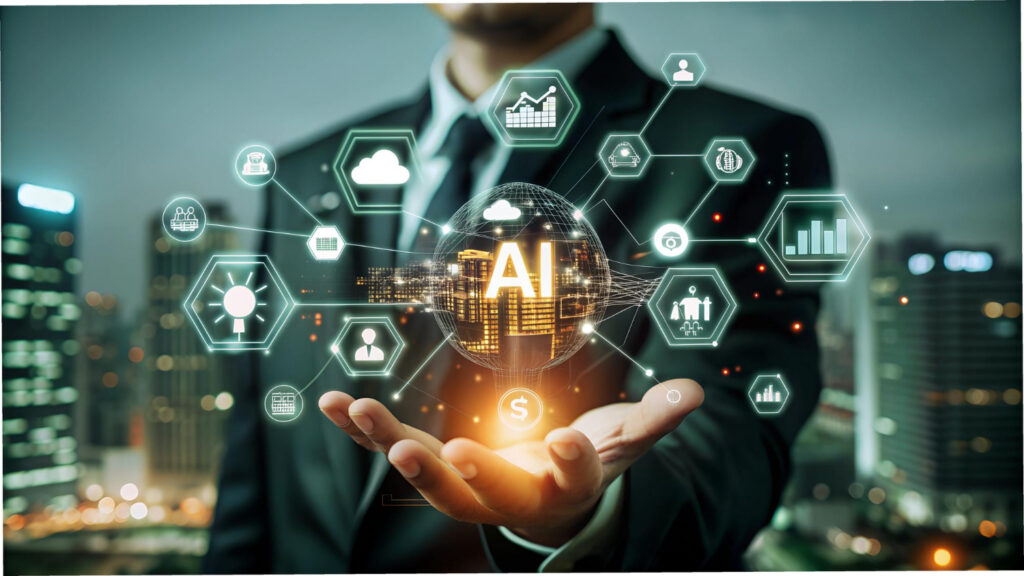
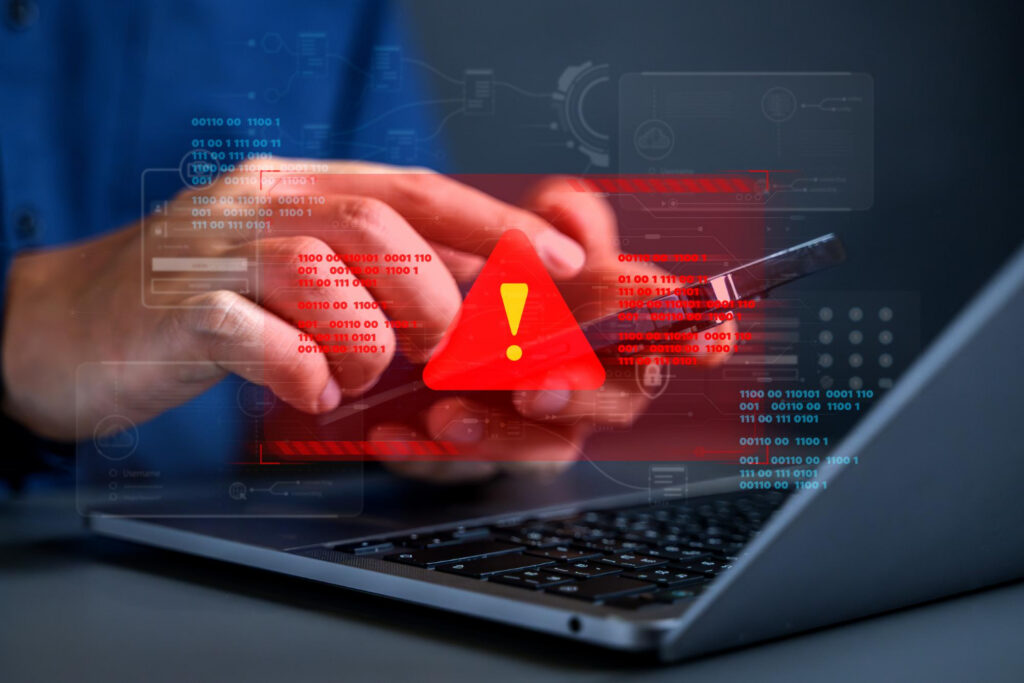
Artificial Intelligence (AI) is transforming cybersecurity at lightning speed — from predictive threat analysis and automated response systems to AI-powered fraud detection. But while AI strengthens digital defences, it also introduces new vulnerabilities that cybercriminals are quick to exploit.
AI’s double-edged nature means it can both protect and endanger. As organizations increasingly integrate AI into their security frameworks, understanding its risks — and how to mitigate them — becomes essential.
This blog explores the top 10 AI risks in cybersecurity and provides practical strategies to safeguard your systems, data and reputation.
1. Adversarial Attacks
The Risk:
AI models can be manipulated through adversarial inputs — subtle, malicious modifications to data that trick the model into making incorrect decisions. For instance, attackers can make slight alterations to an image or dataset to evade facial recognition systems or intrusion detection algorithms.
The Impact:
Adversarial attacks can cause false negatives (letting threats slip through) or false positives (flagging safe activity as malicious), undermining security reliability.
Practical Strategy:
- Train AI models on adversarial datasets to recognize manipulation attempts.
- Use robustness testing tools and model explainability frameworks to identify weaknesses.
Implement continuous model monitoring to detect abnormal prediction patterns.
2. Data Poisoning
The Risk:
AI relies on clean, high-quality data for accuracy. Cybercriminals can deliberately inject malicious or misleading data during model training, skewing outcomes and weakening security systems.
The Impact:
A poisoned model could, for example, “learn” that certain types of malware are harmless, allowing real attacks to pass undetected.
Practical Strategy:
- Validate all data sources before ingestion.
- Deploy data lineage tracking and checksum verification to detect tampering.
- Use differential privacy techniques to protect datasets from unauthorized modifications.
4. AI-Powered Phishing and Social Engineering
The Risk:
Cybercriminals are now leveraging Generative AI to craft hyper-realistic phishing emails, voice deepfakes, and social engineering content. These attacks can bypass traditional filters and deceive even vigilant users.
The Impact:
AI-generated phishing increases the scale and sophistication of scams, making detection harder and increasing breach potential.
Practical Strategy:
- Train employees to recognize AI-generated phishing patterns.
- Implement AI-driven content analysis tools that detect linguistic and behavioural anomalies.
- Use multi-factor authentication (MFA) to limit damage from credential theft.
5. Overreliance on AI Automation
The Risk:
Many organizations deploy AI-driven cybersecurity systems, assuming these tools can handle everything automatically. This overdependence can create vulnerabilities when AI systems fail, misclassify threats, or encounter new attack types they weren’t trained for.
The Impact:
Automation blind spots can lead to delayed responses, allowing attackers to exploit weaknesses before humans intervene.
Practical Strategy:
- Maintain a human-in-the-loop approach for critical threat decisions.
- Conduct periodic audits to assess AI performance.
- Use hybrid models combining AI insights with human expertise.
6. Lack of Explainability and Transparency
The Risk:
AI systems often function as “black boxes,” making decisions without explicit reasoning. In cybersecurity, the lack of explainability can make it challenging to understand why a system flags or ignores a threat.
The Impact:
Unclear decisions hinder incident investigation, regulatory compliance, and user trust.
Practical Strategy:
- Implement Explainable AI (XAI) models that provide reasoning behind predictions.
- Use model interpretability tools to trace outputs to inputs.
- Maintain documentation of AI decision-making processes for audits.

7. Bias in AI Models
The Risk:
AI models can inherit biases present in their training data. In cybersecurity, biased models may unfairly target certain user behaviours, geographies, or network traffic, leading to false alerts or discriminatory actions.
The Impact:
Bias reduces detection accuracy and can result in regulatory violations or ethical concerns.
Practical Strategy:
- Train models on diverse, representative datasets.
- Perform bias detection and fairness testing during model evaluation.
Set up regular retraining with updated data to minimize bias drift.
8. Supply Chain and Third-Party AI Risks
The Risk:
Many organizations integrate AI tools from third-party vendors without complete visibility into their training data, algorithms, or security protocols. This can open backdoors for attackers.
The Impact:
Compromised third-party AI solutions can lead to data breaches, malware injection, or unauthorized access across entire ecosystems.
Practical Strategy:
- Conduct vendor risk assessments and require transparency in AI model design.
- Enforce zero-trust architecture across all integrations.
- Continuously monitor third-party AI systems for unusual activity.
9. AI-Generated Malware and Automated Attacks
The Risk:
Just as defenders use AI to detect threats, attackers are using AI to create self-learning, adaptive malware that changes its code to evade detection.
The Impact:
Traditional signature-based tools are becoming obsolete, forcing defenders to evolve their detection mechanisms constantly.
Practical Strategy:
- Deploy behaviour-based AI threat detection that analyses intent and activity rather than code signatures.
- Use sandboxing and deception technologies to trap evolving malware.
Share threat intelligence across industries to identify emerging AI-driven attack vectors.
10. Regulatory and Ethical Non-Compliance
The Risk:
Just as defenders use AI to detect threats, attackers are using AI to create self-learning, adaptive malware that changes its code to evade detection.
The Impact:
Traditional signature-based tools are becoming obsolete, forcing defenders to evolve their detection mechanisms constantly.
Practical Strategy:
- Deploy behaviour-based AI threat detection that analyses intent and activity rather than code signatures.
- Use sandboxing and deception technologies to trap evolving malware.
Share threat intelligence across industries to identify emerging AI-driven attack vectors.